
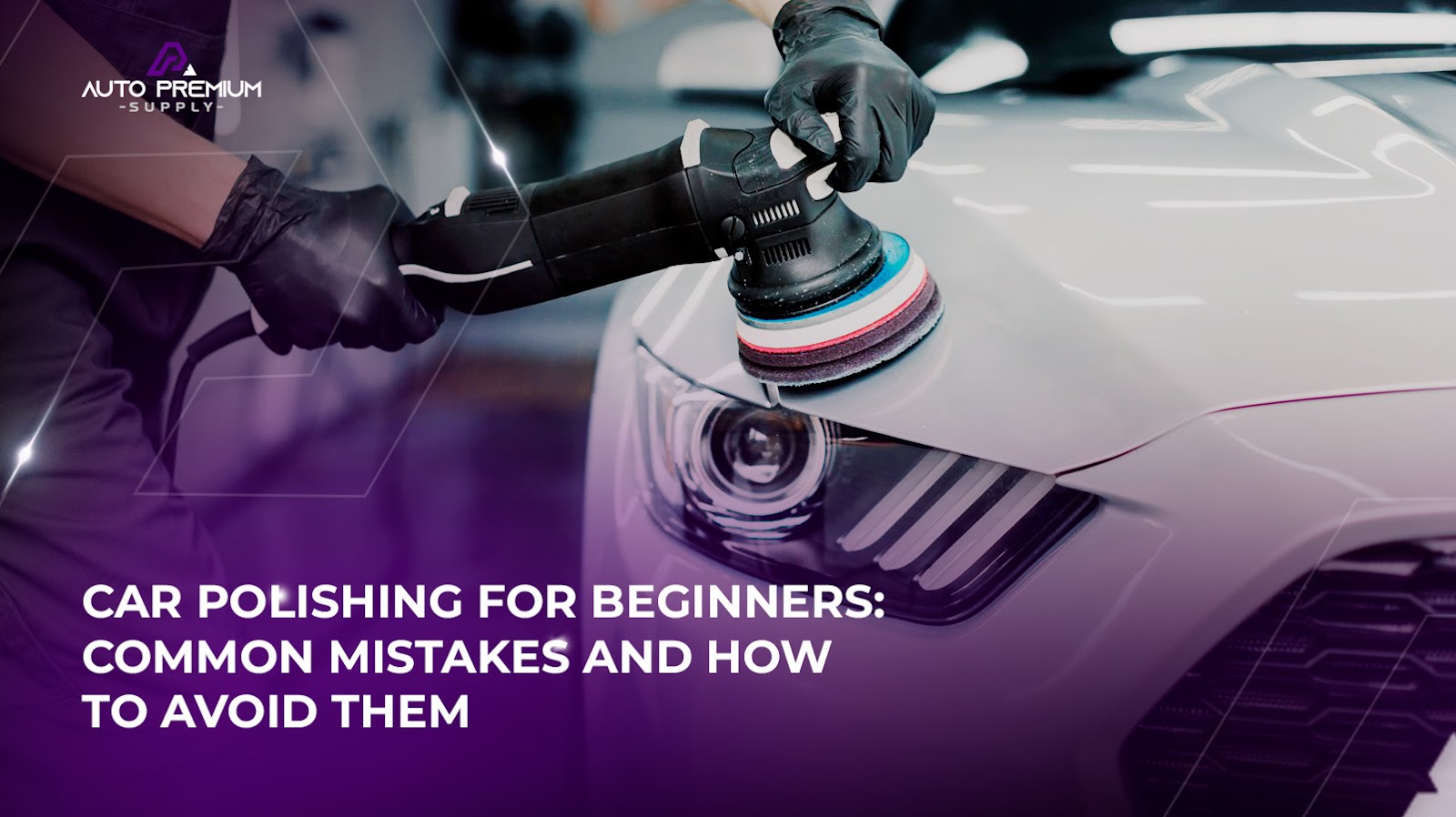
Maintaining your car's appearance is more than aesthetics: it helps preserve the vehicle's value and the life of its finish. Car polishing, done correctly, is a key part of detailing. However, beginners often make mistakes that do more harm than good. In this guide we go through the most common ones, how to avoid them, and the steps for a clean, even finish.
Polishing essentials
A dual action polisher, the right pads and a polish. Shop them on Auto Premium Supply:
1. Not Cleaning the Car Properly Before Polishing
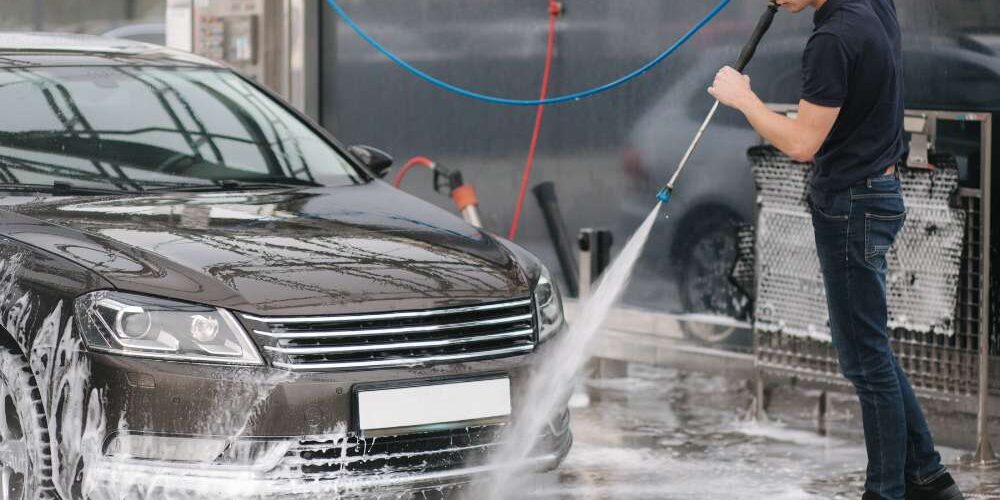
One of the biggest mistakes is skipping a thorough wash. Dirt, grime and small particles can scratch the paint while you polish. To avoid damage:
- Use a car-specific shampoo to remove dirt effectively.
- Rinse the car thoroughly and dry it with a clean microfiber towel.
- Consider a clay bar treatment to remove contaminants embedded in the paint.
Proper cleaning is the foundation of a good polish and prevents further damage.
2. Using Low-Quality or Wrong Products
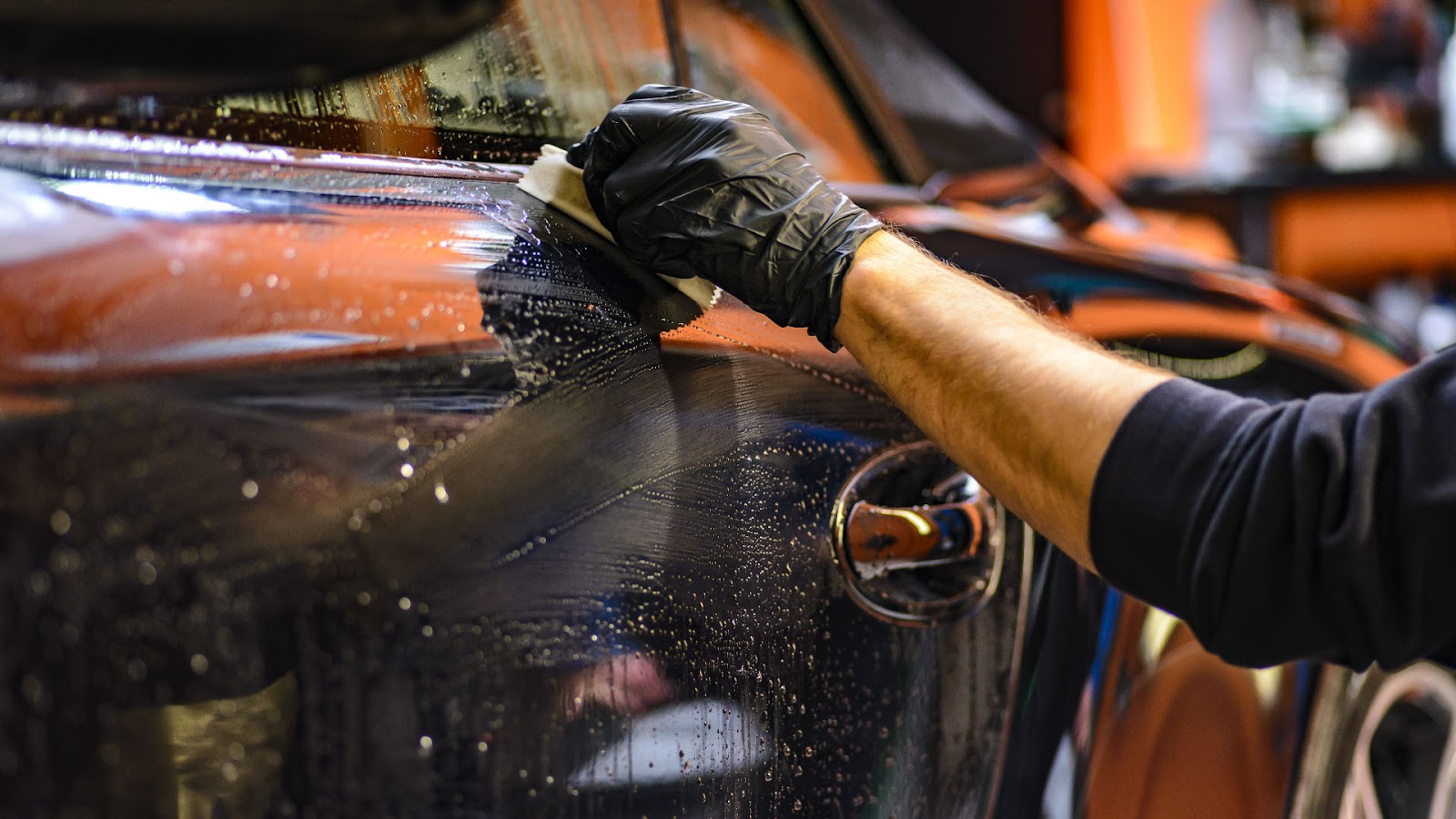
Cheap or incorrect products can leave residue, fail to deliver the shine you expect or even damage the paint. As a beginner:
- Choose a polish from a recognized brand and read its directions before you start.
- Check that the product is compatible with your machine and your paint.
- Pair the polish with the right tools: a dual action polisher and foam pads.
A good first choice is an all-in-one product that polishes and protects in a single step:
RUPES Uno Protect – One Step Polish & Sealant

According to RUPES, Uno Protect polishes to a high gloss with a blend of polymer, silicone and carnauba, leaves a protective layer that lasts up to 90 days, and works with random orbital, gear-driven and rotary machines. At APS it comes in 250 ml and 1000 ml.
Buy now: RUPES Uno Protect – One Step Polish & Sealant (APS)
3. Using Dirty or Inappropriate Polishing Pads
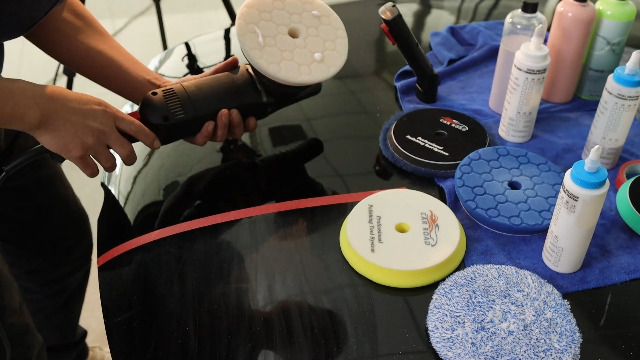
Dirty or worn pads are a common cause of scratches and uneven finishes. Avoid them by:
- Cleaning your pads regularly during the job.
- Replacing pads that are worn out or contaminated.
- Choosing the right pad for the job: foam pads are versatile and a good starting point for beginners.
- Matching the pad size to your machine's backing plate.
Switching to a clean pad at each stage helps keep the finish uniform. See our polishing pads.
4. Polishing Large Sections at Once
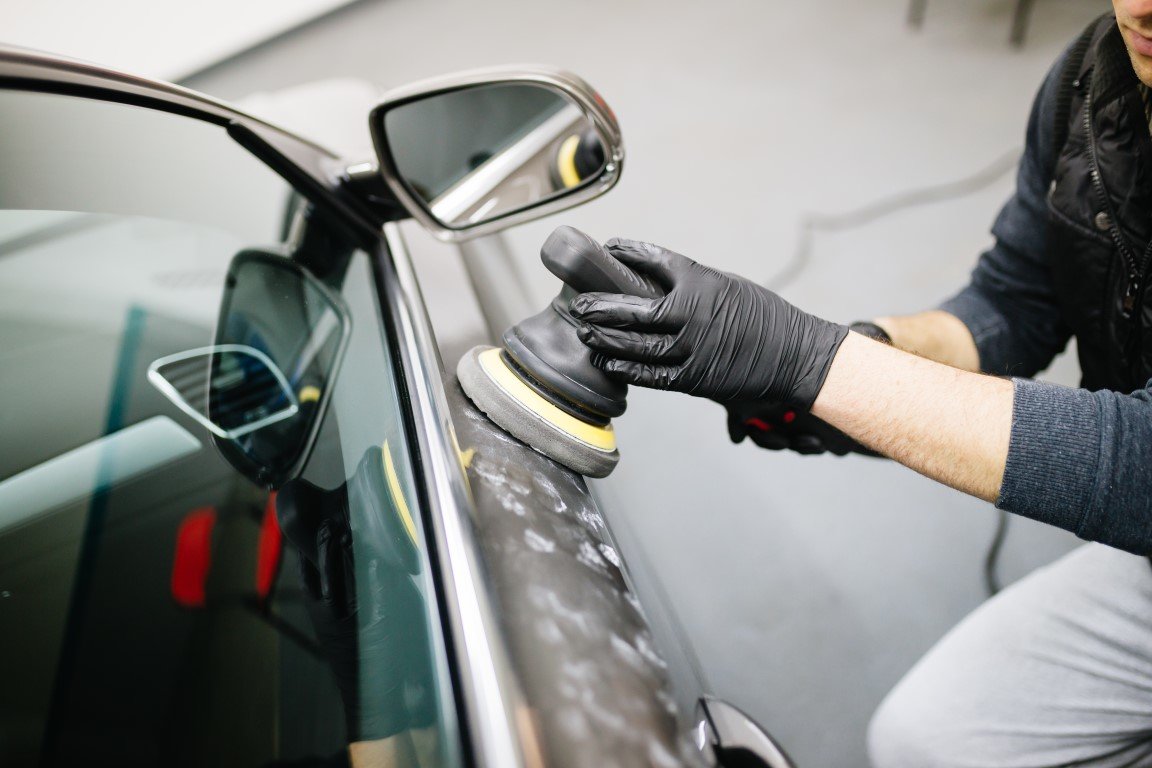
Polishing large areas may seem faster, but the polish can dry before it is fully worked, which makes it harder to remove and less effective. Instead:
- Work in small sections; about 2 x 2 ft (60 x 60 cm) is a common working area.
- Use slow, overlapping passes for consistent coverage.
- Wipe off the residue after each section.
This gives you better control and a more professional finish.
5. Incorrect Polishing Technique
Too much pressure or the wrong speed setting can leave uneven results or damage the paint. If you're learning how to polish a car:
- Start with a test spot to confirm the right polish, pad and speed for your paint.
- Use a dual action polisher, which is more forgiving than a rotary.
- Keep a steady speed and let the machine do the work; don't press too hard.
RUPES BigFoot LHR15ES Random Orbital Polisher

According to RUPES, the 15 mm orbit and 125 mm backing pad make the LHR15ES particularly suitable for curved surfaces. APS sells it as a single tool or as a complete kit.
Buy now: RUPES BigFoot LHR15ES Random Orbital Polisher (APS)
Comparing machines? Read the best polishing machines for pros and amateurs, the best dual action (DA) polishers and, for tight areas, the best mini polishers.
6. Failing to Protect the Paint After Polishing
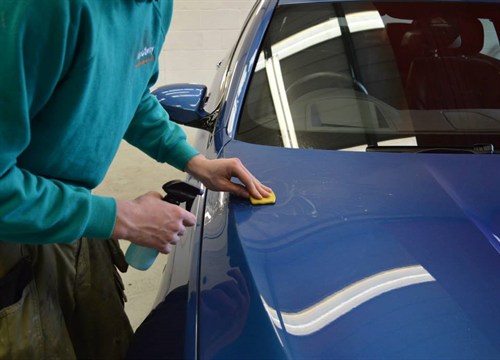
Many people skip protecting their hard work. A protective layer adds shine and helps shield the paint from contaminants and UV. Your polishing routine should include:
- A wax or sealant after polishing (see how to apply wax step by step and wax vs. sealant).
- A ceramic coating if you want longer-lasting protection (see what is ceramic coating).
- Reapplying protection as the product's label recommends.
Skipping this step lets your results fade quickly and leaves the paint exposed.
7. Using the Wrong Tools for the Job
The wrong tools compromise results no matter how careful you are. Essentials for a beginner:
- A dual action (random orbital) polisher.
- A set of foam pads, plus clean microfiber towels.
- A detailing light to spot defects during the process.
With the right tools, a professional-grade finish becomes much easier.
Additional DIY Car Polishing Tips for Beginners
Prepare Your Workspace
Choose a shaded area so the polish doesn't dry too quickly in the sun. Make sure the panel is cool to the touch before starting.
Mask Sensitive Areas
Cover rubber trim, plastic and emblems with masking tape so the pad doesn't stain or burn them.
Final Checklist
- Car washed, decontaminated and dry.
- Test spot done and approved.
- Clean pads ready for each stage.
- Protection (wax, sealant or coating) ready to apply when you finish.
Ready to Polish Your Car?
Start with a dual action polisher, clean foam pads and a one-step polish. Everything is available at Auto Premium Supply.
Keep reading: Best DA Polishers · Best Polishing Machines · Best Mini Polishers


